
Protected ECUs
Bosch MG1 and MD1 Unlock: What It Means and How Workshops Handle It
A 2021 Peugeot 2008 with the 1.2 PureTech comes in for a Stage 1. The tool identifies a Bosch MG1CS032. Next to it, in the vehicle list, sits the word nobody wants to see. Locked. For a lot of workshops that is the first real meeting with the MG1 and MD1 family, and because the customer is usually at the counter waiting for an answer, it is also the moment when the worst decisions about protected ECUs get made in a hurry.
Why the newer Bosch ECUs are locked
MG1 (petrol) and MD1 (diesel) are the Bosch engine control units that followed the MED17 and EDC17 generation, and you will now find them in many recent cars, from Volkswagen and Audi to BMW, Mercedes-Benz and Stellantis models, as well as in some powersports engines, built around processors with protections that the older units never had and that the carmakers make full use of. Methods that read an EDC17 without a second thought are simply refused.
The lock is not one single thing. Each variant, meaning the letters and numbers after MG1 or MD1, pairs a particular processor with its own protections and software layout. That is why one MG1 can be read through the diagnostic port by several tools while another, in a car of the same year, has to be opened on the bench. Treat the exact variant as the starting point of every job, never the badge on the bonnet.
What an unlock actually does
"Unlock" is a loose word in this trade. In practice it means a procedure, usually done once, that gets the tool past the processor protection so the internal flash and EEPROM can be read in full and written back later. On many variants it is carried out on the bench or in boot mode with the ECU out of the car, and often with the cover off.
What happens next depends on the variant and the tool. On some units, once the unlock has been done, later writes can go through the OBD port exactly as they would on an older ECU, so the second and third jobs on that car are no harder than any other, while on others every single write, including a simple return to stock, means taking the ECU out and putting it back on the bench. Do not assume either way. The tool manufacturer's vehicle list states, ECU by ECU, which connection modes are supported and whether a preparatory step is required.
There is one more thing customers rarely hear. A later software update at a dealer can overwrite the tuned calibration and, on some variants, change what the tool has to do next time, so keep the full original backup somewhere safe and ask the customer to bring the car back to you before any dealer visit that might involve a reflash.
The three routes workshops use
Classic bench or boot preparation
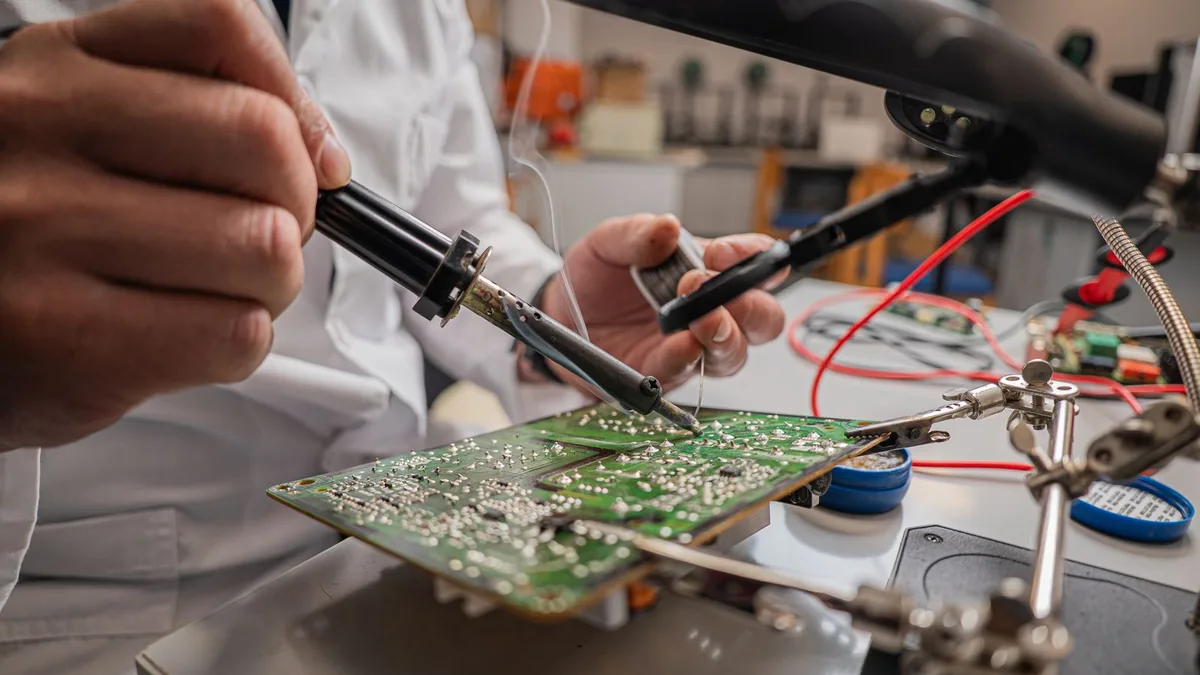
This is the route most tools have offered for years. The ECU is opened and the board turned over, and before the tool can even connect someone has to lift certain resistors and solder fine wires to the boot pins. It works. It also takes time and a very steady hand, and every extra minute spent with a soldering iron over a customer's ECU is one more minute of risk that nobody is paying you for.
Boot Glitch with KORHEX
Magicmotorsport added a different approach for the Flex. KORHEX is a hardware accessory placed on a single contact point of the processor, located with masks made for each case, and it opens access by electromagnetic fault injection instead of soldering. It works only in the Flex mode the manufacturer calls Boot Glitch, which comes with the Full licence or with a separate Boot Glitch licence (FLS0.20M for master tools, FLS0.20S for slaves). Protocols published so far include Mercedes units with Bosch MD1CP001 and MG1CP002, Stellantis with MD1CS003 and MG1CS032, the BMW MG1CS003 and the BRP MG1CA920 used in Rotax engines. Outside Bosch, the Delphi ETC3 of DAF CF and XF trucks from 2017 is on the list as well. It grows with every Flex release, so check it against the car in front of you before buying anything.
Sending the unit to someone who does it
If MG1 and MD1 work is occasional for you, sending the ECU to a workshop that already has the method and the practice is often cheaper than equipping for it. Do the sums. Ask which tool they use and which backups come back with the unit. Ask too whether it will be writable over OBD afterwards, because that decides whether the next job on the same car means removing the ECU again.
The routes side by side
| Route | Is the ECU opened? | What you need | Main risk |
|---|---|---|---|
| Bench or boot preparation | Yes, with soldering on the board | A tool licence that includes the protocol, soldering skills, bench power | Damaged pads or pins |
| Flex Boot Glitch with KORHEX | Yes, but without soldering, according to the manufacturer | Flex Full or an FLS0.20 licence, KORHEX, an active subscription | Buying hardware for variants that are not listed yet |
| Outside unlock service | Depends on the provider | Shipping time and a provider you trust | Delays and incomplete backups |
Before you open anything
- Find the exact variant in the tool's official list, with the software version if the list asks for it. "MG1" on its own tells you nothing.
- Put the car or the bench on a stabilised power supply. A battery charger is not one.
- Photograph the label and the board before and after, so you can show the customer what was done.
- Work on an antistatic mat with the unit cool and dry. Some housings are glued, and prising them open in a hurry bends the board.
- Save every file the tool produces, from internal flash and EEPROM to any external memory and the tool's own backup format, and keep a copy off the laptop.
What your file service needs from an MG1 or MD1 job
Send the complete set of files the unlock read produced, not only the calibration area, and say which tool and connection method you used and whether the unit was unlocked in this job or at an earlier visit, since the engineer needs to know exactly what state the processor and its memories are in before deciding what to change. Add the usual vehicle data and the hardware state. If you are not sure which part of the read we need, upload all of it: an engineer can ignore what is not relevant, but nobody can rebuild a missing EEPROM.
We return the modified file in the format your tool expects, in the same order in the workshop panel. If your tool can only write that variant on the bench, plan the job that way from the start instead of finding out while the customer waits in reception.
An honest limit
Not every MG1 or MD1 variant has a practical solution today, and the ones that do were added release by release. If the ECU on your bench is not on your tool's list, the right answer is to wait or to send it out, not to experiment on a customer's car. The clean read checklist applies twice over on these units. If you are still deciding which tool to invest in, our comparison of KESS3, Flex and Autotuner looks at how each handles protected ECUs, and the hardware is in our equipment catalog.
Frequently asked questions
Can a Bosch MG1 or MD1 be tuned over OBD?
Some variants can, either directly or after a one-time unlock on the bench. Others can only be read and written on the bench or in boot mode. The tool manufacturer's vehicle list shows the supported connection modes for each exact variant.
Does unlocking damage the ECU?
Done with a supported protocol on a stable power supply, the ECU keeps working as before. The risk lies in opening the housing and in any soldering on the board, which is why a full backup of every memory is taken before anything is written.
Can the car go back to stock after an MG1 or MD1 tune?
The original calibration can be written back from the full original read. Whether the unlock step itself can be reversed depends on the variant and the tool, so ask before you start if the customer may need it.
More from the blog
- DPF Problems After a Remap? Check These Things Before Blaming the File
- Bricked ECU After a Failed Flash: A Calm Recovery Procedure
- KESS3 vs Flex vs Autotuner: Choosing a Tuning Tool for Your Workshop
- How to Start a Car Remapping Business Without Learning Everything the Hard Way
- How to Choose an ECU Tuning File Service: What Workshops Should Check
- Stage 1 vs Stage 2 Remap: What Changes and What Hardware You Need
- KESS3 Master or Slave? Choosing the Right Tool Setup for Your Workshop
- DSG Tuning Explained: DQ200, DQ250, DQ381 and DQ500 Gearboxes
- How to Learn ECU Remapping: A Realistic Training Path for Workshops
- Engine Remap on an Automatic: When the Gearbox Needs Its Own TCU File
- Pre-Tune Health Check: What to Log Before Remapping a High-Mileage Engine
- Before You Upload: How to Take a Clean, Complete ECU Read