TCU tuning
DSG Tuning Explained: DQ200, DQ250, DQ381 and DQ500 Gearboxes
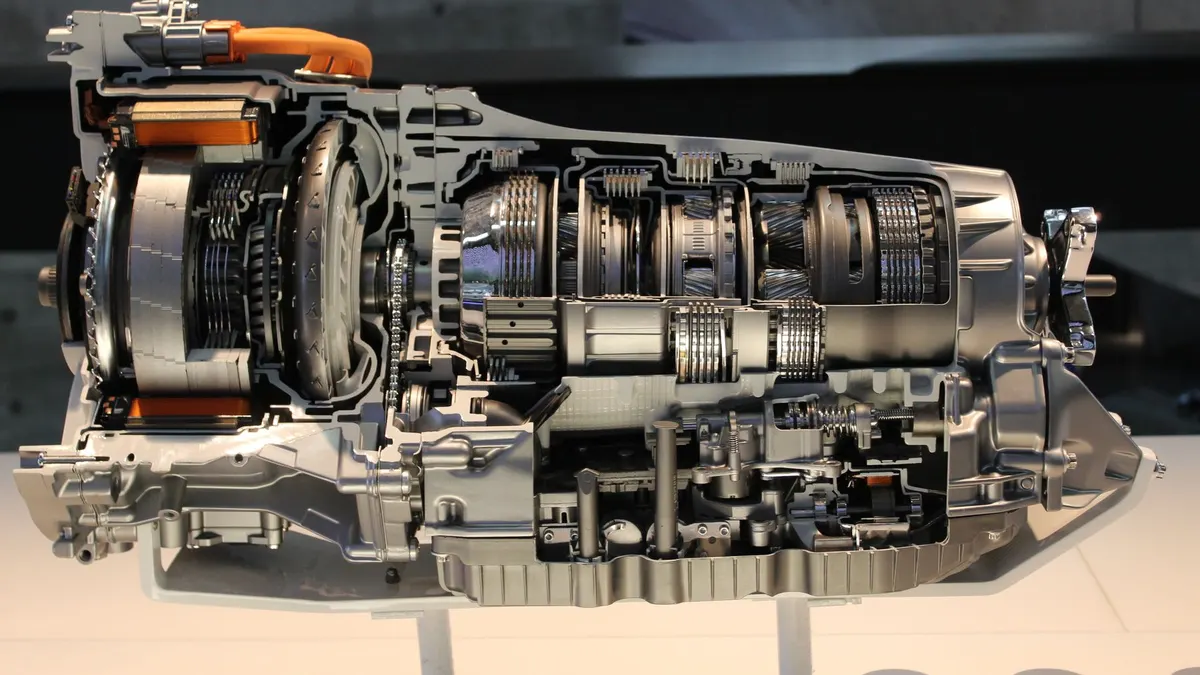
"DSG" covers several different gearboxes. Volkswagen Group uses dual-clutch transmissions across Volkswagen, Audi, SEAT, Cupra and Škoda, and they are not built for the same loads. Knowing which one is in the car is the first step to deciding whether an engine remap needs a gearbox file too, and to telling the customer the truth about what the car will take.
Why the gearbox matters after a remap
A dual-clutch gearbox has its own control unit, the TCU, inside the mechatronic unit. It knows how much torque the engine claims to produce and sets clutch pressures, shift timing and protection from that figure. When an engine file raises torque beyond what the TCU expects, two things tend to happen: the TCU reduces engine torque during shifts to protect itself, and the clutches may slip because they were never told to clamp harder.
The result is a car that feels strong in one gear and flat in the next, or flares between gears under full load. We explained the general case for automatics in when an automatic needs a TCU file. Here we look at the specific gearboxes that come up most.
The four boxes you will meet most often
The torque figures below are the approximate ratings usually quoted for each family. They vary with the version, the year and the car the gearbox was fitted to, so treat them as orientation, not a specification for a particular car.
| Gearbox | Type | Approximate rating | Where you find it |
|---|---|---|---|
| DQ200 (0AM / 0CW) | 7-speed, dry clutches | Around 250 Nm | Smaller petrol and diesel engines in compact cars |
| DQ250 (02E / 0D9) | 6-speed, wet clutches | Around 350 to 400 Nm, depending on version | Mid-size and performance models, older GTI and TDI cars |
| DQ381 (0GC) | 7-speed, wet clutches | Around 420 Nm | More recent transverse performance and diesel models |
| DQ500 (0BH / 0BT) | 7-speed, wet clutches | Around 500 to 600 Nm, depending on version | High-torque models and some light commercial vehicles |
DQ200: the one to be careful with
The DQ200 uses dry clutches and is built for smaller engines. It is the gearbox where a remap needs the most restraint. Raising torque well past its rating puts the clutch pack and mechatronic unit under stress they were not designed for. On a DQ200 car we usually recommend a moderate engine file that respects the gearbox limit, and we tell the workshop plainly when a customer's request does not fit the car.
DQ250: well known and well supported
The six-speed wet-clutch DQ250 has been around for a long time and is very well understood. A matching TCU file can raise torque limits, adjust clutch pressures and change shift behaviour per mode. It is also a gearbox where fluid condition makes a visible difference: old fluid and worn clutches will not become healthy because the software asks them to clamp harder.
DQ381: common on recent performance cars
The seven-speed DQ381 appears on many recent transverse performance and diesel models, including several Volkswagen, Cupra and Audi versions. It has more headroom than the DQ200, but a Stage 1 on a strong engine can still reach its limits. Reading the TCU is the practical issue: on later cars the unit is often protected and needs a bench or boot connection, or an unlock procedure supported by your tool, before it can be read and written.
DQ500: built for torque
The DQ500 sits behind high-torque engines and in some commercial vehicles. It has the most margin of the four, which is why it is chosen for powerful five-cylinder and similar applications. Even so, a strong Stage 2 can exceed what the standard TCU allows, and the clutches still need correct pressures for the new load.
What a DSG file usually changes
- Torque limits and torque intervention during shifts, so the gearbox accepts the new engine torque.
- Clutch pressures, to hold the higher load with less slip.
- Shift points and speed in each driving mode, matched to the new torque curve.
- Launch control behaviour, where the gearbox and software support it.
After writing a DSG file, most gearboxes need an adaptation or basic setting procedure with diagnostic software before they shift properly. Include that in the job and explain it to the customer, so the first few kilometres do not surprise anyone.
Before you book the car in
Ask the customer for the gearbox code or read it yourself, and take the TCU part and software numbers with diagnostic software. Check that your tool supports reading and writing that exact TCU, and by which method. Then upload the engine read and the TCU read in the same order, so the engineer writes both files to match: the torque the engine asks for and the torque the gearbox is prepared to accept.
You can see our gearbox options under TCU and DSG tuning, or send the references through the workshop panel to confirm support before the car arrives.
Frequently asked questions
Do I need a DSG tune after a Stage 1 remap?
Not always. If the new torque stays within what the gearbox is calibrated to accept, the car may shift normally. If the torque rises past the gearbox limits, the TCU cuts torque during shifts or the clutches can slip, and a DSG file that raises the limits and clutch pressures is the right fix.
How do I know which DSG gearbox a car has?
Check the gearbox code on the vehicle data or on the gearbox itself, and read the TCU part and software numbers with diagnostic software. The engine and model alone are not enough, because the same model can use different gearboxes across years and versions.
Can every DSG TCU be read over OBD?
No. Some read and write over the diagnostic port, while others, particularly on more recent cars, need a bench or boot connection or an unlock procedure. Check the exact TCU reference in your tool's compatibility list before booking the car in.
More from the blog
- How to Choose an ECU Tuning File Service: What Workshops Should Check
- Stage 1 vs Stage 2 Remap: What Changes and What Hardware You Need
- KESS3 Master or Slave? Choosing the Right Tool Setup for Your Workshop
- How to Learn ECU Remapping: A Realistic Training Path for Workshops
- Engine Remap on an Automatic: When the Gearbox Needs Its Own TCU File
- Pre-Tune Health Check: What to Log Before Remapping a High-Mileage Engine
- Before You Upload: How to Take a Clean, Complete ECU Read