
File Service
Before You Upload: How to Take a Clean, Complete ECU Read
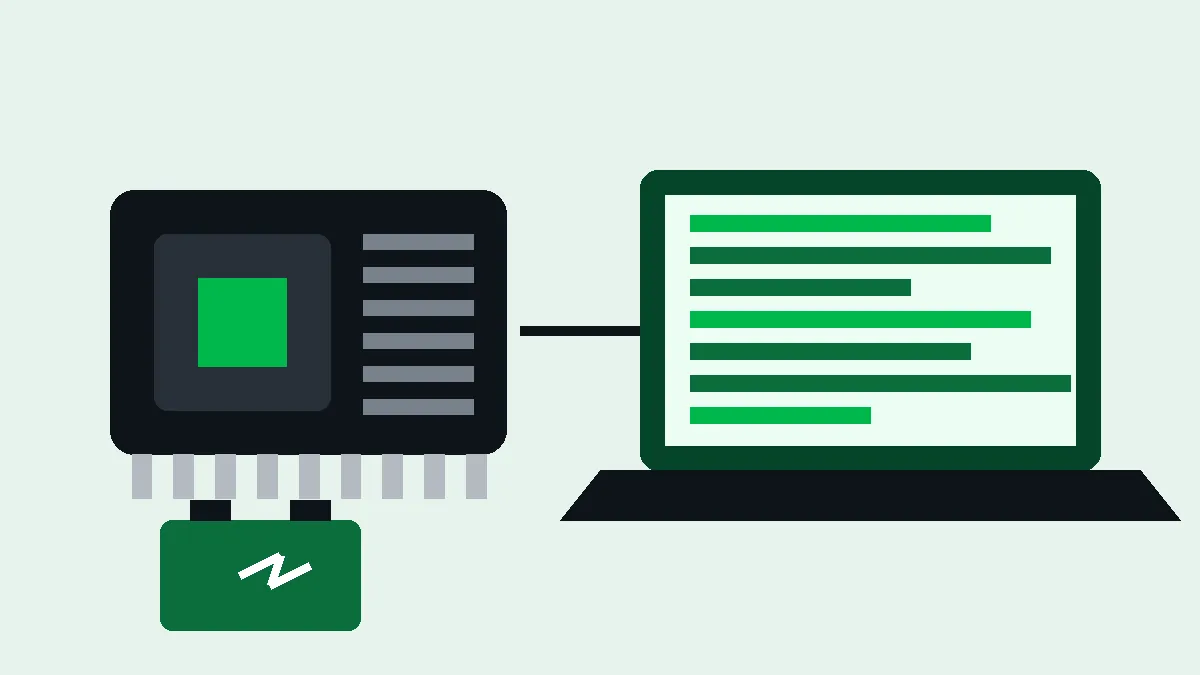
Most files that come back "wrong" were wrong before an engineer ever opened them. A read taken on a sagging battery, a partial dump from a protected unit, or an original that already carries someone else's map will limit what any calibrator can do with it. This is the checklist we would give a new workshop joining the file service.
Voltage first, laptop second
Reading and writing an ECU keeps modules awake with the engine off for as long as the procedure takes. On a modern car with a dozen control units on the bus, the battery drops faster than most people expect, and a read that stalls halfway can leave you with a corrupt dump. On a write it is worse.
A battery charger is not the same as a power supply. Many chargers switch into a pulsing maintenance mode and the voltage wanders. What you want is a regulated supply that holds a steady voltage under the current the car is drawing. Switch off headlights, climate fans and heated seats, close the doors, and keep the key or start button in the position your tool asks for. If the vehicle has a sleep timer that cuts the ignition, find out before you begin.
OBD, bench or boot: pick per ECU
OBD is the comfortable option, and on many older and mid-age units it gives a complete, usable read. The problem is that "the tool connected and saved a file" does not mean the file contains everything. Some ECUs only expose the calibration area over OBD. Others have been locked by later software, so the same engine code that went fine on one car refuses on the next.
- OBD is fine when your tool's vehicle list confirms a full read for that exact ECU and software, and when you do not need the processor's protected areas.
- Bench means removing the ECU and connecting to its pins. It is the normal route when OBD access is restricted, and it usually gives you a fuller backup, including data you would need to recover the unit if something goes wrong.
- Boot means opening the case and talking to the processor directly. It is the fallback for units that do not allow bench access, and it demands care with probes, static and the housing seal.
Master tools like KESS3, Flex, Autotuner or bFlash publish per-ECU instructions. Read them for the unit you actually have. Do not go by the engine family. Two cars with the same engine can carry different ECU hardware depending on year and market.
Save everything the tool gives you
A bench or boot session often produces more than one file: flash, EEPROM, sometimes a separate microcontroller area or a tool-specific backup container. The calibration file is what we modify, but the rest is your insurance. If a write fails, an immobiliser pairing is lost or the unit needs to be put back to stock months later, those files are how you recover it.
Name them in a way you will still understand next year: plate or VIN, ECU reference, date, tool and "ORI". Keep one copy on the workshop computer and another somewhere that is not the same computer. The workshop panel also keeps every original you upload with its order, but it should not be your only backup.
Is it really original?
Used cars change hands with tunes nobody mentions. Signs worth checking before you call a file "original": the customer bought the car second-hand from an enthusiast, the exhaust or intake is not factory, there is a stored fault that points to a removed or disabled component, or the checksum or software version reported by your tool does not match what the vehicle should have.
If you are not sure, say so in the order. We would rather know than stack a second calibration on top of a map we cannot see. In some cases the right answer is to obtain a stock file for that software version first and start from there. It costs a little more time, and the result is a file you can actually support.
What to write in the order
The fields in the panel exist because each one changes what the engineer does:
| Field | Why it matters |
|---|---|
| Tool and read method | The modified file must go back in the format and with the areas your tool expects to write. |
| VIN and ECU/TCU reference | Lets the engineer confirm the dump matches the vehicle before any map is touched. |
| Hardware state | An aftermarket intercooler, turbo or clutch changes what is sensible to ask of the engine. |
| Stored fault codes | A misfire, boost deviation or rail pressure fault needs repairing first. A remap will not cure it. |
| Fuel and use | Towing, fleet work or track days lead to different priorities in the calibration. |
Mistakes we see often
Uploading the tool's project file instead of the read. Some tools wrap the original in their own format. Check which file is the actual dump for that tool and send that, or send both.
Reading after clearing faults and driving round the block. Adaptations and fault memory are part of the picture. Scan and note the codes before clearing anything.
Forgetting the gearbox. If the customer expects more torque on an automatic, the TCU often matters as much as the engine. We explain when in our article on TCU files after an engine remap.
Assuming the next car will be the same. Software updates at dealer level can change access to a unit. Check the tool's list every time.
When not to read at all
If the engine has a mechanical problem, a failing turbo or a known injector fault, park the tuning job. Diagnose and repair first, log the car healthy, and only then read it. The same applies when the customer is unsure whether they will keep the car stock for a warranty claim or inspection. A tune that has to be removed next month is poor value for them and extra work for you. Whatever the calibration, the vehicle must still meet the rules of the country where it is driven, and that includes declaring the change where local rules or the insurer require it.
If you are unsure whether a particular unit needs bench or boot, message an engineer with the ECU reference before you book the car in. It is a quicker conversation than recovering a half-written ECU. The full list of options we calibrate is on the services page.