Training
How to Learn ECU Remapping: A Realistic Training Path for Workshops
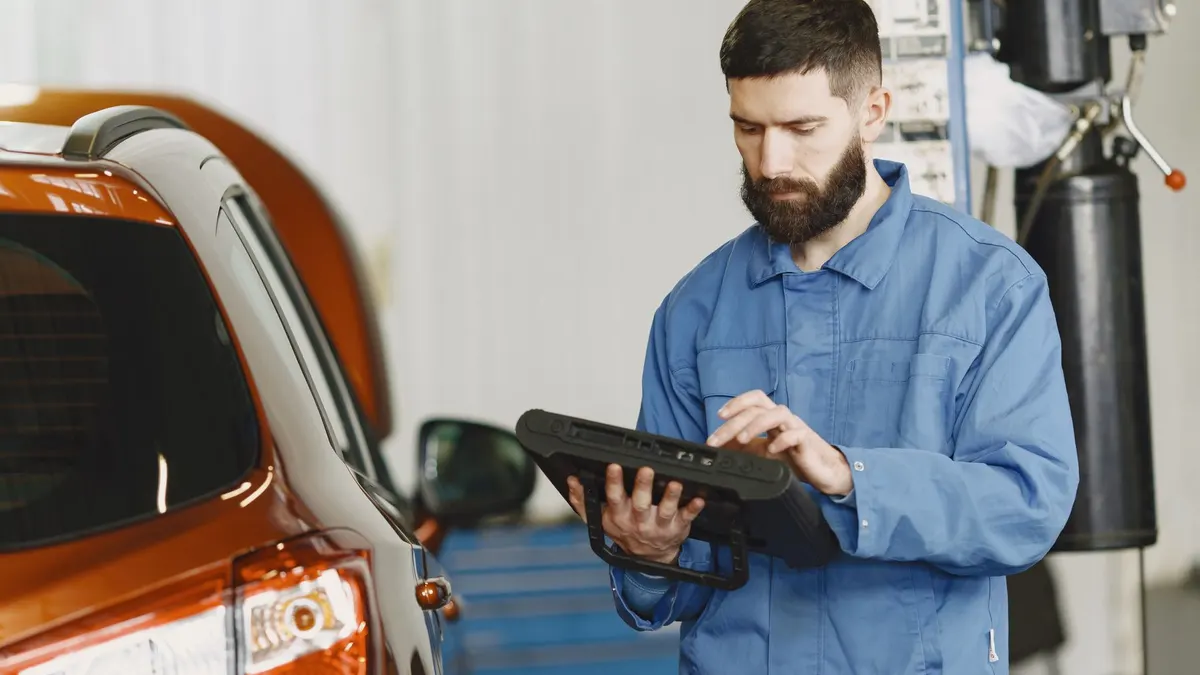
ECU remapping looks like a software skill, and partly it is. But most of what separates a safe tuner from a risky one is learned with the car in front of you: how the ECU is connected, what can go wrong during a write, and what the engine is telling you on a datalog. That is why the order in which you learn matters more than the number of hours.
This is the path we see working for most technicians who come to our chiptuning courses, from complete beginners to mechanics with years of diagnostic experience.
Step 1: understand what the ECU is doing
Before touching a file, a technician needs a clear picture of how an engine control unit makes decisions. How the driver's pedal becomes a torque request. How that request turns into boost, fuel and ignition on a petrol engine, or rail pressure and injection on a diesel. And how limiters for temperature, smoke and component protection sit on top of all of it.
Someone who understands that chain can look at a modified map and predict what the car will do. Someone who does not is copying numbers, and that only works until the first unusual car arrives.
Step 2: read and write safely
This is the skill that protects your customers' cars, and the one to master first. It covers OBD, bench and boot connections, stable power supply, saving every file the tool produces, and what to do when a write is interrupted. Most bricked ECUs come from the procedure, not from the file.
Practise on bench ECUs before working on customer cars. Our guide on how to take a clean ECU read is a good checklist to learn by heart.
Step 3: work with a file service
Many workshops earn their first money from tuning at this stage. They read the car, send the file to a file service, write the result and road-test it. It is a perfectly good business model, and also the best school for what comes next: every file you order is an example of what a good calibration looks like for that engine.
The choice of tool comes in here, and it affects how far you can go later. If you plan to edit files yourself one day, a slave tool will hold you back; we explain why in KESS3 master or slave.
Step 4: diagnose before and after
Good tuners are good diagnosticians. Before a remap they check that the engine is healthy, and after it they confirm with logs that the car is doing what the file asks. Learn which values to log for diesel and for petrol engines, how to compare requested against actual boost, and how to read a fault code with its freeze-frame data. We covered the essentials in the pre-tune health check.
Step 5: edit maps with WinOLS
WinOLS is the calibration software most professionals use to find and edit maps. Learning it starts with understanding how maps are stored, identifying the important ones in an unknown file, and making small, deliberate changes you can explain. Checksums, map packs and damos come next. Expect this stage to take months of regular practice, not days, and to need someone experienced reviewing your work at first.
Our WinOLS professional training is designed for technicians who already read and write confidently and want to start editing their own files.
Step 6: specialise
Once the basics are solid, specialisation is what builds a reputation. Gearbox calibration for automatics and dual-clutch boxes (see DSG tuning explained). Trucks and agricultural machinery. Hybrid and electric vehicles, where the work is closer to diagnostics and configuration than to classic remapping. Brand platforms such as Tesla or Cupra, which have their own logic and tools.
What a good course should give you
- Hands-on time with real ECUs and tools, not just slides.
- A safe read and write procedure you can repeat in your own workshop.
- Teachers who modify customer files every week, so the examples are current.
- Honest guidance on what is legal on road cars and what is not.
- A way to ask questions after the course, when the first difficult car arrives.
Our courses are taught in person in Spain, in Spanish, by the same engineering team that runs our file service. Training equipment is provided, and if you already own a master tool you can bring it. See the full programme, including WinOLS, hybrid and electric (HVT), Tesla and Cupra modules, on the courses page, or ask for dates and prices.
Frequently asked questions
How long does it take to learn ECU remapping?
Learning to read and write ECUs safely takes days of supervised practice. Editing maps with confidence takes months of regular work on real files, ideally with someone experienced checking your results. A course shortens the path but does not replace practice.
Do I need WinOLS to start tuning?
No. Many workshops start with a tool and a file service, and only move into WinOLS once tuning is a regular part of their work. WinOLS becomes necessary when you want to edit files yourself.
In which language are Repromatronic courses taught?
Courses are taught in Spanish, in person in Spain. English-language materials and support can be arranged on request, especially for software-focused training.
More from the blog
- How to Choose an ECU Tuning File Service: What Workshops Should Check
- Stage 1 vs Stage 2 Remap: What Changes and What Hardware You Need
- KESS3 Master or Slave? Choosing the Right Tool Setup for Your Workshop
- DSG Tuning Explained: DQ200, DQ250, DQ381 and DQ500 Gearboxes
- Engine Remap on an Automatic: When the Gearbox Needs Its Own TCU File
- Pre-Tune Health Check: What to Log Before Remapping a High-Mileage Engine
- Before You Upload: How to Take a Clean, Complete ECU Read